Building control
Building regulations for a conservatory roof
Find out why a solid tiled roof needs sign-off, who handles the paperwork with Coventry City Council, and what documents you receive once the work is finished. The answers apply to any home in the city.
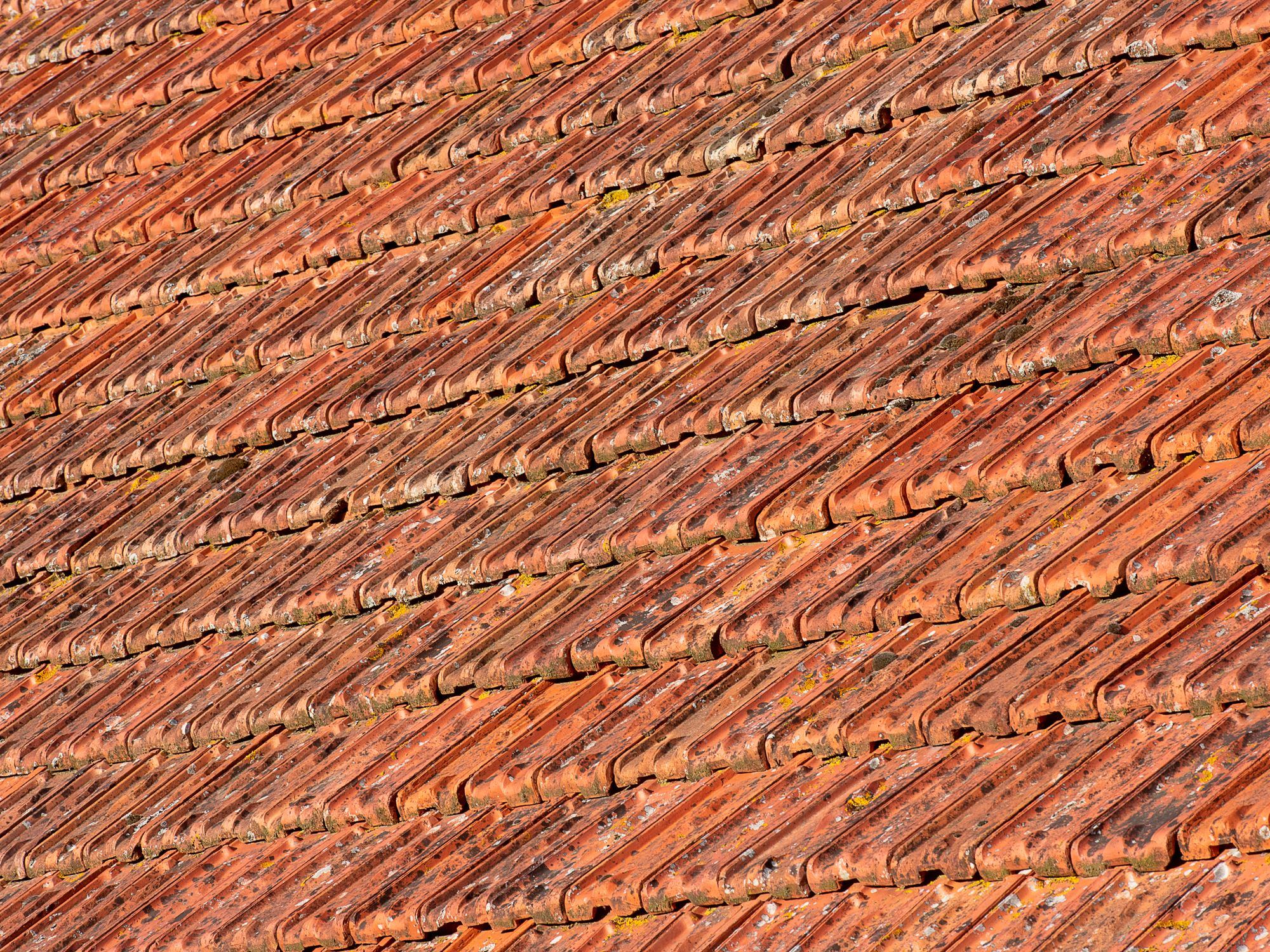
Why building regulations conservatory roof approval matters
When you replace a glass or polycarbonate roof with a solid one, the structure changes completely. A glazed panel weighs very little. Tiles, insulation boards and plasterboard add significant load to the existing frame and foundations. That extra weight is the main reason solid roof conservatory regulations exist.
Coventry City Council requires this work to be checked because the conservatory stops being a temporary shelter and becomes an extension of the heated house. The thermal performance changes, so does the structural demand. Anyone asking do I need permission conservatory roof will find the answer depends on the material going up there. Glass usually falls under permitted development. A solid covering almost always triggers a building notice conservatory Coventry submission.
The specialist firm carrying out the installation handles this. They calculate the loads, specify the materials and submit the application before any tiles arrive. You do not need to visit the council offices yourself.
What the building control inspector checks
A building control officer from Coventry City Council looks at three things. First, they check the existing frame can carry the new weight. If the original base was poured for a lightweight glazed structure, it might need strengthening before the conversion begins.
Second, they review the insulation. A warm roof must meet current thermal standards. The specialist installer specifies boards that reach the required U-value so the room retains heat rather than losing it through the ceiling. Third, they look at ventilation. Moisture needs somewhere to go, even under tiles, so air gaps are built into the design.
Conservatory roof building control Coventry inspections happen at specific stages. The inspector visits after the old panels come off and the new timbers are in place, then again when the tiles are laid and the ceiling is boarded. Each visit confirms the work matches the approved plans. If something is wrong, the installer corrects it before the next stage starts.
Who arranges the sign-off and paperwork
The specialist firm doing the work arranges the entire process. They submit the initial notice, book the inspections and collect the final certificate. You do not chase the council yourself.
Once the inspector is satisfied, the council issues a completion certificate. This document proves the work complies with building regulations. Keep it somewhere safe. When you sell your home, solicitors will ask for it. A missing conservatory roof certificate can delay a sale or force a buyer to negotiate a lower price.
If the original conservatory was built without approval, the situation is more complicated. The specialist may need to expose the foundations first to prove they are deep enough to support a heavier roof. Sometimes the existing structure cannot take the load at all, which means starting again rather than converting what is there. An honest assessment happens before any money changes hands.
Planning permission versus building regulations
People often confuse planning rules conservatory roof requirements with building control. They are separate systems. Planning permission deals with how the structure looks from the street and whether it affects neighbours. Building regulations deal with safety, structure and energy use.
In most parts of Coventry, replacing a conservatory roof does not require planning permission as long as the footprint stays the same and the height does not increase. Areas near listed buildings or within conservation zones have different planning rules conservatory roof restrictions. The specialist checks the address against Coventry City Council records before confirming what applies.
Even where planning permission is not needed, building regulations still apply to a solid roof. The two approvals run on parallel tracks. One covers appearance; the other covers physics. Both must be satisfied before the job is legally complete.
Signs your conservatory roof change needs approval
Swapping glass for tiles changes how the structure behaves. Certain details around your home indicate whether the existing frame can accept a heavier covering or if further work is required first.
- 1
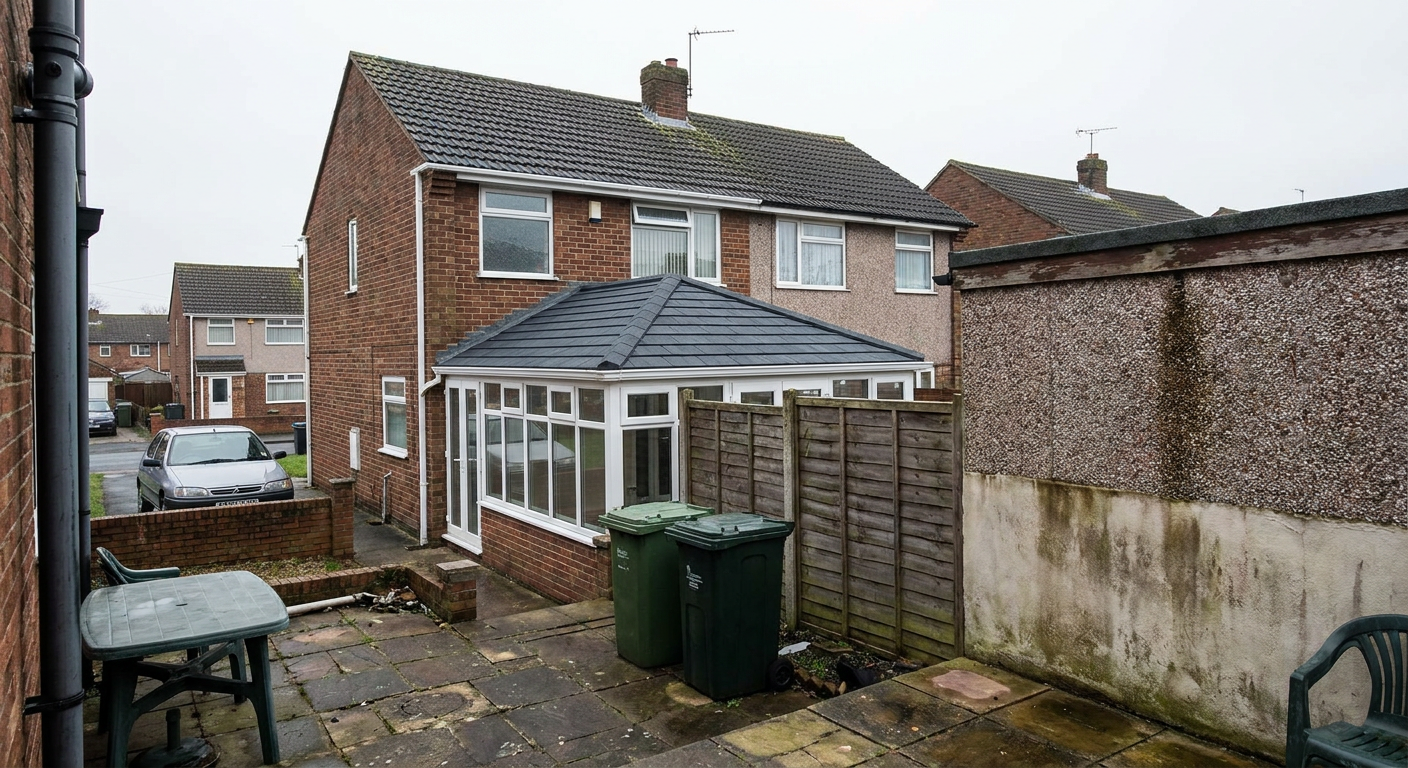
Thin aluminium frames
Slim glazing bars designed for polycarbonate sheets may flex under tile weight. The specialist measures them before committing to a design.
- 2
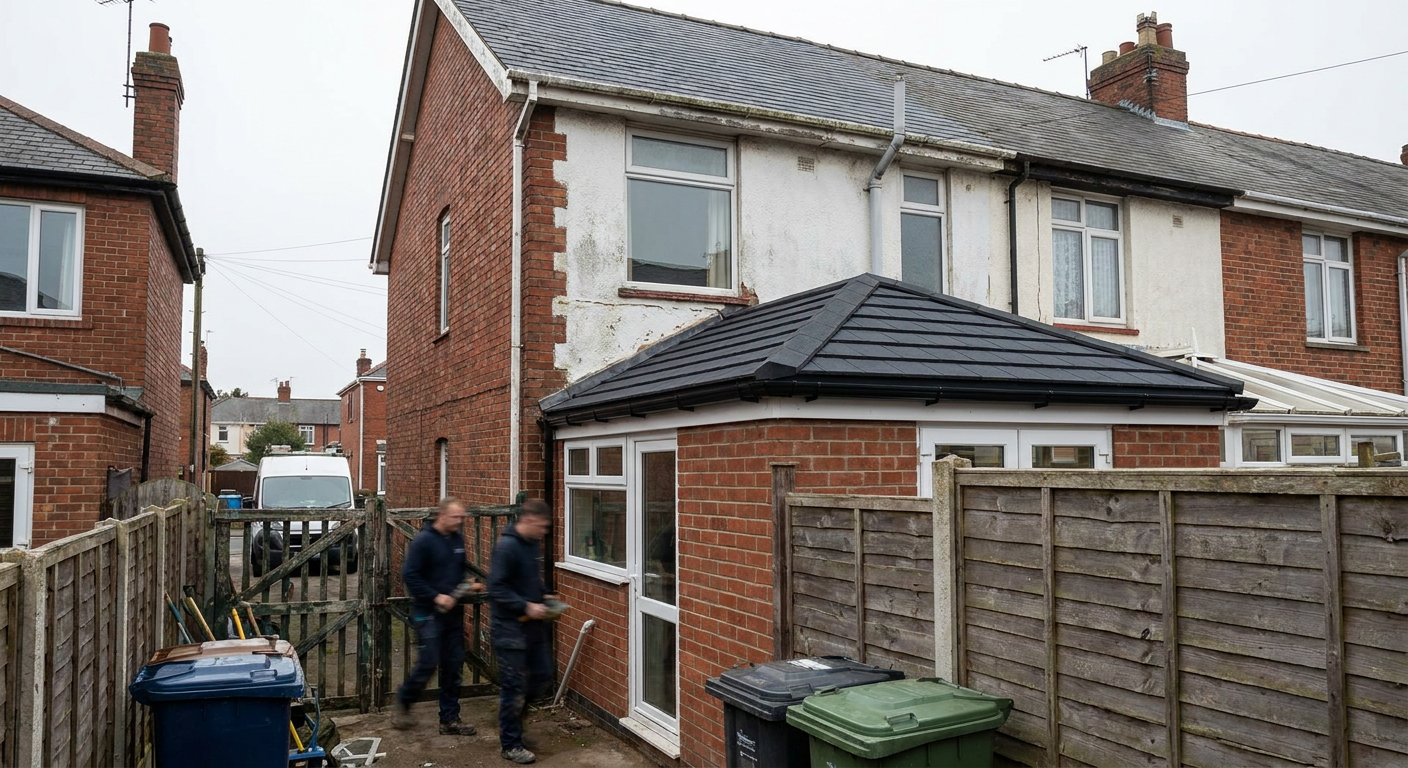
Shallow concrete base
A thin slab poured for a lightweight room might crack under added load. Exposing the edge reveals its depth.
- 3
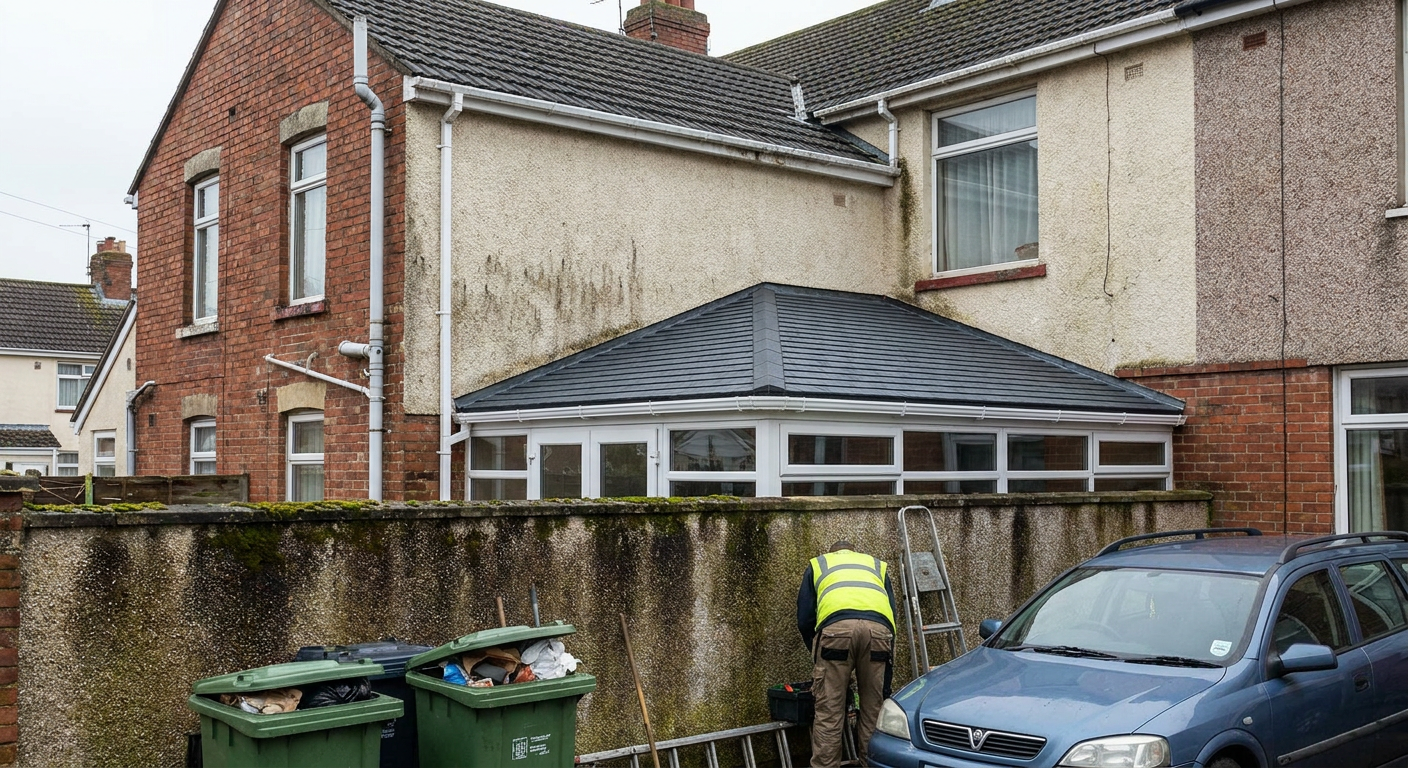
No gap between house and room
If the internal door was removed, heating rules change. The whole space must then meet higher insulation standards.
- 4
Older polycarbonate panels
Yellowed multi-wall sheets suggest the frame dates from an era with lighter construction standards. Age alone does not rule out a conversion.
Questions about conservatory roof sign-off
Do I need building regulations approval for a solid roof?
Yes. Replacing glass or polycarbonate with tiles adds weight and changes thermal performance. Coventry City Council requires approval before the work begins. The specialist installer submits the application on your behalf.
Why is a tiled roof treated differently from glass?
Tiles weigh far more than glazing panels. The frame, walls and foundations must support that extra load safely. Insulation standards also change because the room becomes part of the heated envelope of your home.
Does the installer arrange the sign off or is that my job?
The specialist firm handles everything. They submit the building notice, schedule inspections with Coventry City Council and obtain the final completion certificate. You receive the paperwork once the job is finished.
Will I get paperwork I can show when I sell the house?
Yes. The council issues a completion certificate after the final inspection passes. Store this document with your house deeds. Solicitors will request it during a sale to prove the work meets building regulations.
Do I need planning permission as well in Coventry?
Usually no. If the footprint and height remain unchanged, planning permission is rarely required. Exceptions exist for listed buildings and conservation areas. The specialist checks your address against local planning records before starting.
What happens if the conservatory was built without approval?
The specialist inspects the foundations and frame first. If they are strong enough, the conversion proceeds with a regularisation application. If not, the existing structure may need rebuilding before a solid roof can be fitted.
Does the doorway between the house and conservatory matter?
Yes. If the external quality doors remain in place, the conservatory is treated as a separate zone. Removing them means the entire space must meet full dwelling insulation standards, which costs more to achieve.
How long does the approval process add to the job?
Submitting a building notice takes a few days. Inspections are booked around the build schedule, so they rarely cause delays. The final certificate arrives by post several weeks after the last site visit.
Ask about your conservatory roof
Send a message describing your home and what you have noticed. The enquiry goes to a specialist firm in Coventry who can explain what applies to your situation. It does not commit you to any work or payment.
- No obligation to proceed
- Local firms only
- Honest assessments