Winter guide
Cold conservatory in winter: how to warm it up
Find out why your conservatory loses heat so fast in winter, where the cold actually enters, and what a specialist checks first to stop it happening in your Coventry home.
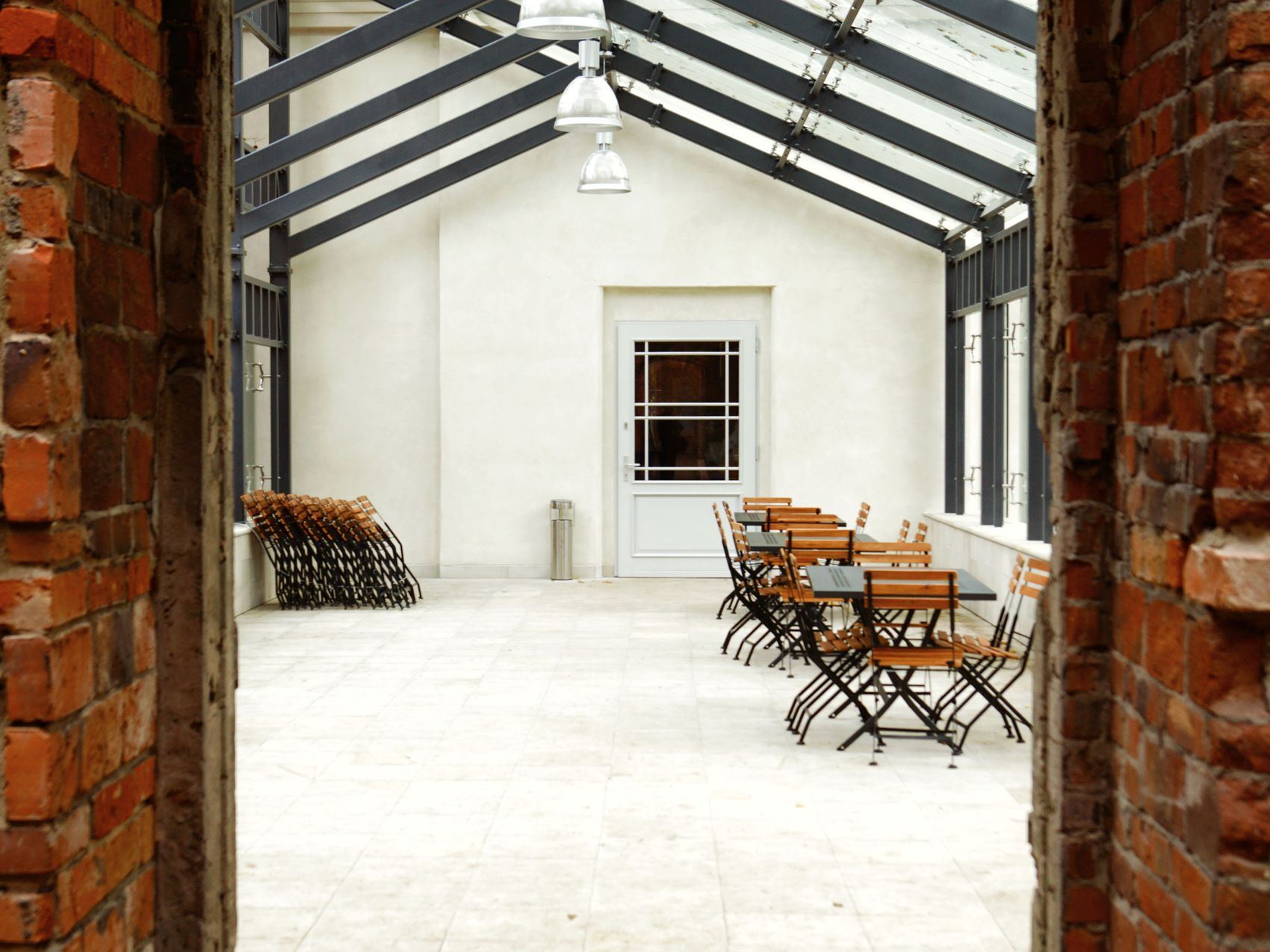
Why the room stays freezing despite the heating
A cold conservatory in winter usually happens because the structure was built to let light in rather than hold warmth. Glass and polycarbonate panels have very little resistance to heat transfer. So when you turn the radiator on, the warm air rises straight through the roof and escapes outside. The heating runs constantly but the room never feels comfortable.
This is the core of the conservatory heating problem Coventry homeowners face every year. The space becomes too cold to use from November until March. Families shut the doors and treat the room as extra storage instead of living space. To warm up a cold conservatory, you have to address the surfaces that let the heat leave, starting with the largest one above your head.
Where the heat actually goes first
The roof accounts for most of the heat loss in a standard conservatory. Warm air rises naturally, and a single layer of polycarbonate or glass does almost nothing to slow it down. The side glazing matters too, but the roof is where the majority of energy leaves the room.
To stop heat loss in a conservatory, a specialist will look at the roof before anything else. They check whether the existing frame can support additional weight and whether the current panels are sealed properly. In many homes across Coventry, the frames are sound but the covering material offers no thermal value. Replacing that covering changes how the entire room behaves in cold weather. You can read more about how a <a href="/upgrades/conservatory-roof-replacement-coventry">new conservatory roof</a> works in practice.
Insulating the existing roof or replacing it
Some homeowners ask if they can simply insulate the existing roof rather than fit a new one. Adding insulation under polycarbonate panels reduces some heat loss, but it has limits. The original frame was designed for lightweight sheets, not thick insulated layers. If the panels are old or brittle, adding material underneath can trap moisture against them.
A specialist who comes to <a href="/upgrades/conservatory-roof-insulation-coventry">insulate a conservatory roof in Coventry</a> will assess the condition of the frame and the age of the panels. Where the structure allows it, insulation works well. Where the frame is tired or the seals have failed, a full replacement makes more sense. A <a href="/upgrades/warm-roof-conversion-coventry">warm roof conversion</a> removes the old panels entirely and fits a solid insulated system in their place. The decision depends on what the survey finds, not on a fixed rule.
Using the space as a dining room all year
Once the roof is sorted, the room holds heat like any other part of the house. Families in areas like Coundon and Holbrooks regularly use their converted conservatories as dining rooms throughout December and January. The difference is immediate: the radiator warms the room and the warmth stays put.
But the roof alone does not solve everything. If the side windows are single glazed or the external doors have warped over time, draughts will still pull cold air in at floor level. A specialist might recommend updating the frames alongside the roof work. New <a href="/upgrades/conservatory-windows-and-doors-coventry">windows and doors</a> seal the gaps that let winter air bypass the heating. Combined with a solid roof, these changes make the room genuinely usable every day of the year.
What a specialist looks at during a visit
When someone visits your home to assess the problem, they start by checking the roof structure. They look at the rafters, the ridge beam and the way the frame sits against the main house wall. They need to know if the existing frame can carry the weight of a <a href="/upgrades/solid-tiled-roof-installation">solid tiled roof</a> or if reinforcement is needed.
Next they examine the glazing bars and seals around the side panels. Failed seals cause condensation and draughts, which compound the cold. They also check the guttering and fascias, since water ingress around the edges damages the frame over time. You can see what <a href="/upgrades/guttering-and-fascia-replacement-coventry">guttering and fascia replacement</a> involves if those parts have deteriorated.
The visit produces a clear picture of what needs doing and in what order. There is no obligation to proceed. The specialist simply reports what they find and explains the options available for your specific structure.
Signs your conservatory is losing its heat
Cold air finds every weak point in a conservatory. These are the things you can see and feel yourself before anyone arrives to take measurements.
- 1
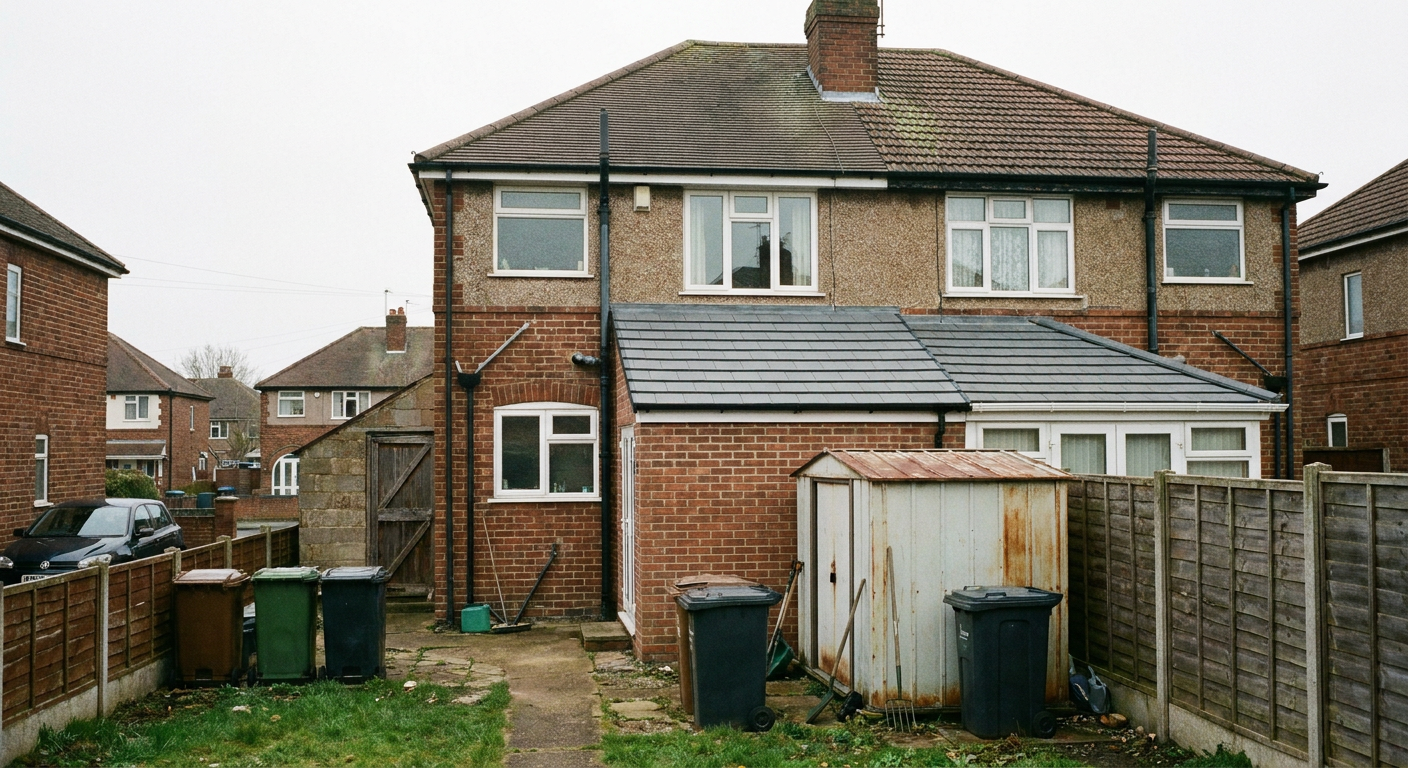
Condensation on the inside glass
Water beads form on interior panes each morning. This suggests warm indoor air is hitting a cold surface rapidly.
- 2
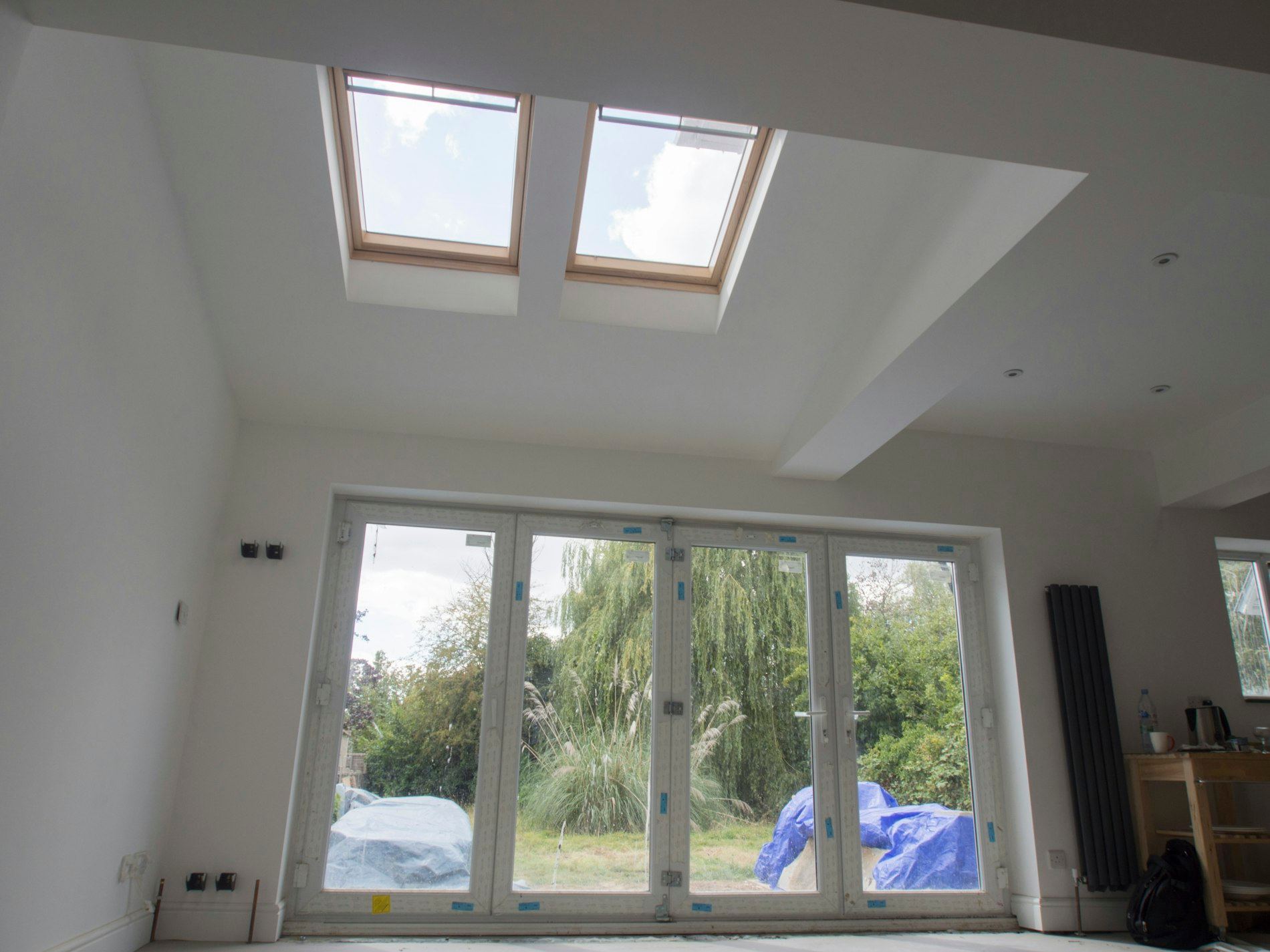
Draughts near the door frames
You feel cold air moving along the floor near external doors. The seals may have shrunk or the frame has warped.
- 3
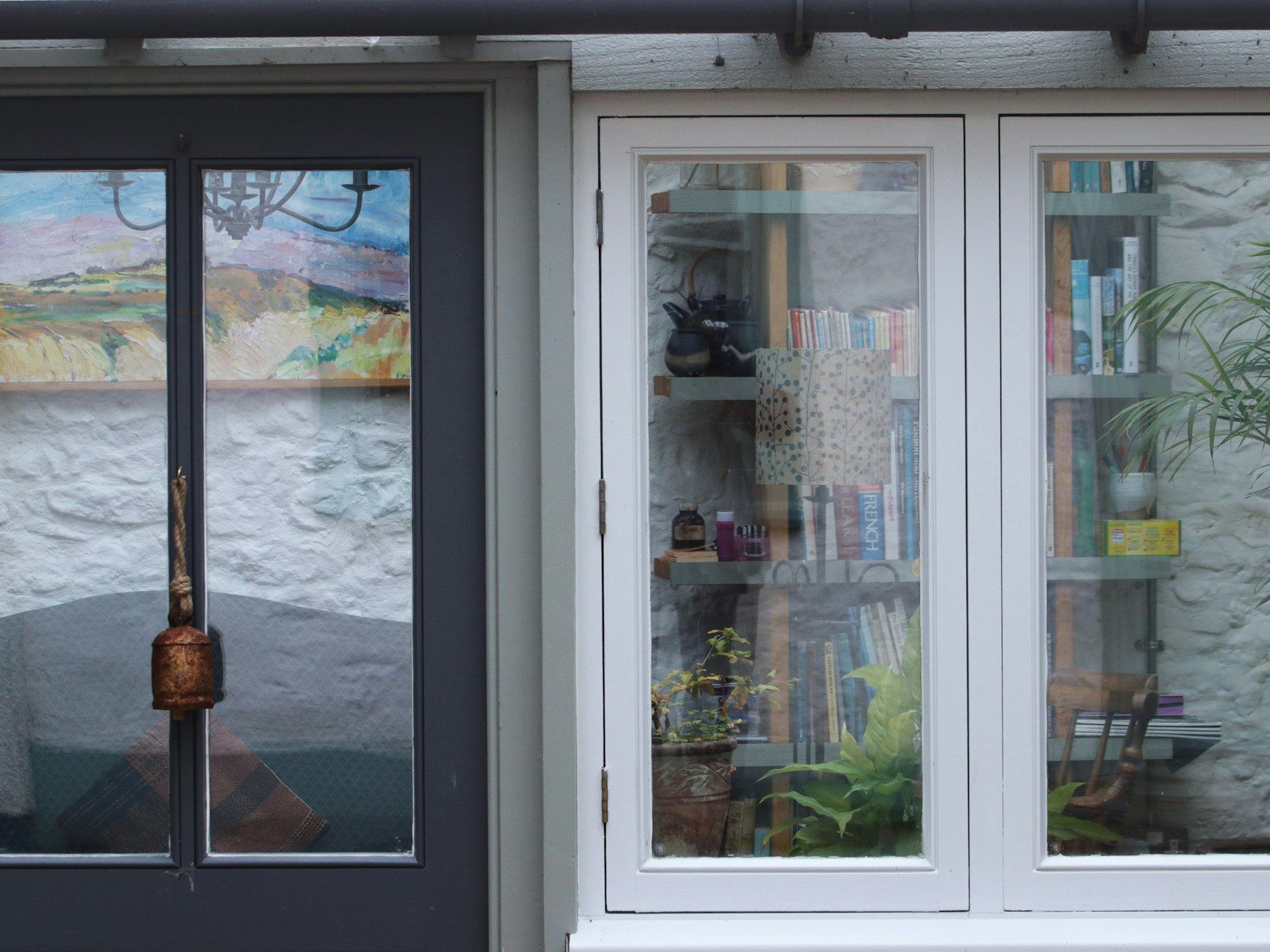
Frost on the interior roof panels
On cold mornings, frost appears on the inside of polycarbonate sheets. The panels offer almost no thermal barrier.
- 4
Radiator runs without warming the room
The heating stays on for hours but the air temperature barely rises. Heat escapes faster than the radiator produces it.
Common questions about winter heat loss
-
Answers to the things people in Coventry ask before arranging a visit.
- Why the radiator cannot keep up
- Glass and polycarbonate roofs let heat escape faster than a radiator can replace it. The roof is the main problem.
- Roof versus glazing heat loss
- The roof loses the most heat because warm air rises directly into it. Side glazing matters less by comparison.
- Insulation versus a new roof
- Insulation helps if the frame is sound. Older structures often need a full replacement to hold warmth properly.
- Costs to make it usable
- Prices depend on the roof size and frame condition. A site visit establishes what the work actually requires.
- New doors stopping draughts
- Replacement doors with modern seals close the gaps at floor level where cold air enters the room.
Tell us what is happening in your conservatory
Send a description of the problem. A specialist firm reviews it and arranges a visit to your home. There is no charge for this and no obligation to accept any quote they provide.
- No obligation
- Free site visit
- Local specialists