Roof choices
Tiled or glass conservatory roof: which suits you?
A conservatory roof comparison covering light, heat, noise and how you plan to use the room. Read this before asking a specialist firm for a quote, so you know which questions matter most for your home.
Light levels under each roof type
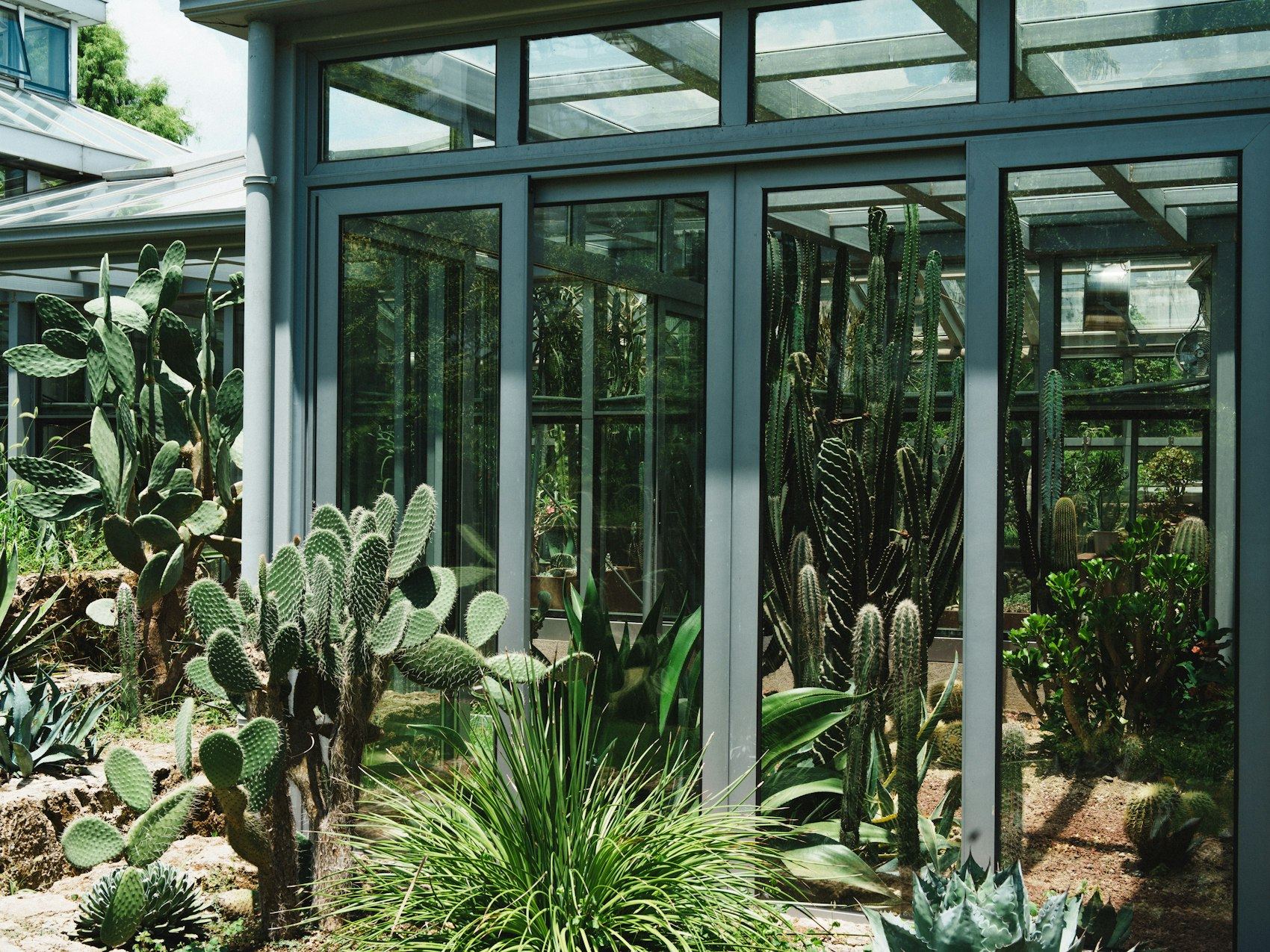
The first thing people ask about a solid roof versus glass roof is whether the room will go dark. A glass panel lets in the most daylight, which suits a space used mainly for plants or short visits. But full glazing also means direct sun lands on furniture and floors all day.
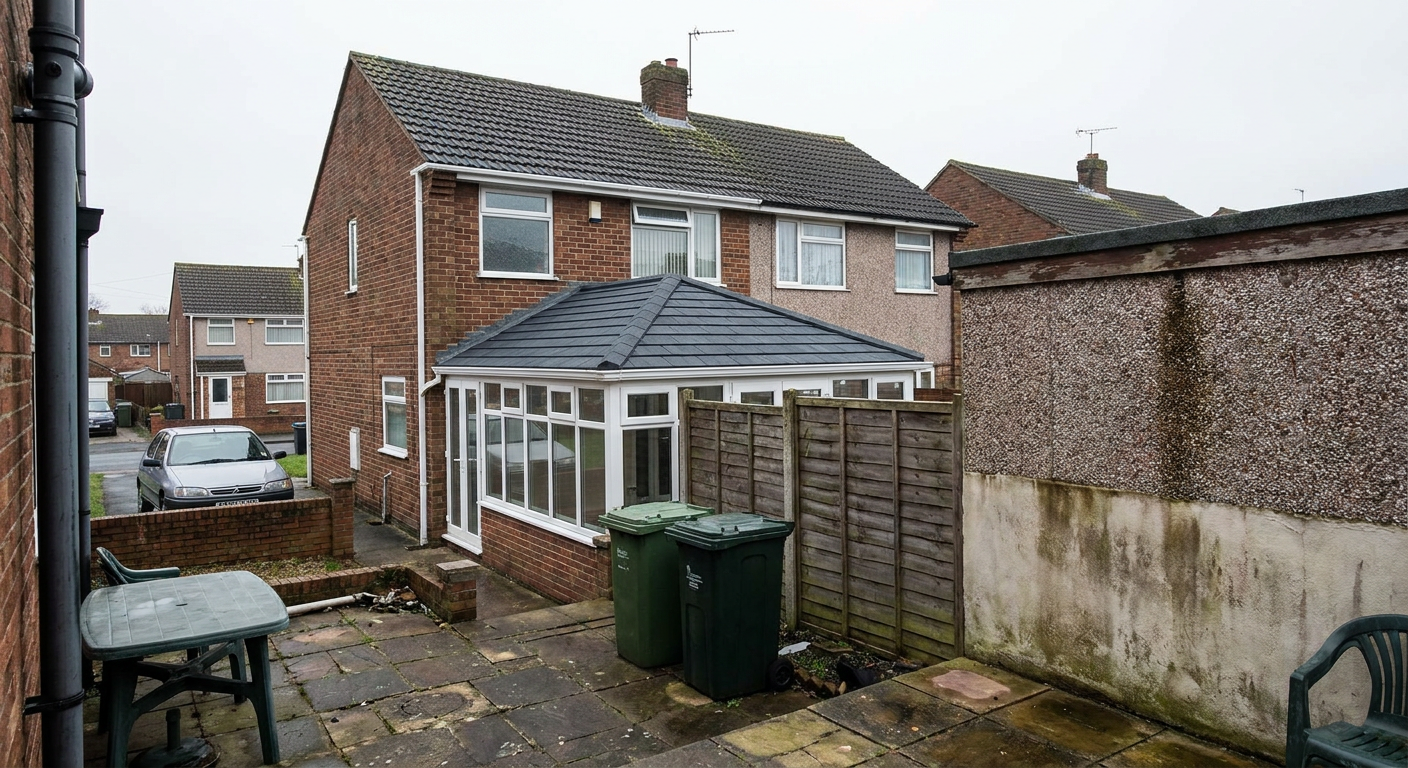
A tiled conservatory roof changes the light levels in the room. It does not make it dark if the design includes glazed sections. Many homes in Coventry now use a roof lantern or tiled roof combination, where a central glazed panel sits inside a solid frame. That gives steady, diffused light without the glare of an all-glass ceiling.
If you are weighing up a glass roof conservatory in Coventry against a solid option, think about when you sit in the room. Morning coffee faces east. Evening reading faces west. The direction matters as much as the material. A specialist installer can measure the exact light loss and suggest where to place any glazed inserts.
Heat through the seasons
Summer heat is the main reason people look into replacing their conservatory roof. Under full glass, temperatures climb fast on sunny days. You end up closing blinds and leaving the room empty until evening. Tiled roofs with built-in insulation hold the temperature closer to the rest of the house.
In winter the situation reverses. Glass loses heat quickly after sunset. A warm roof conversion adds layers that slow that loss down, so the heating in your home does less work. The difference shows up on energy bills over a full year, not just in one cold week.
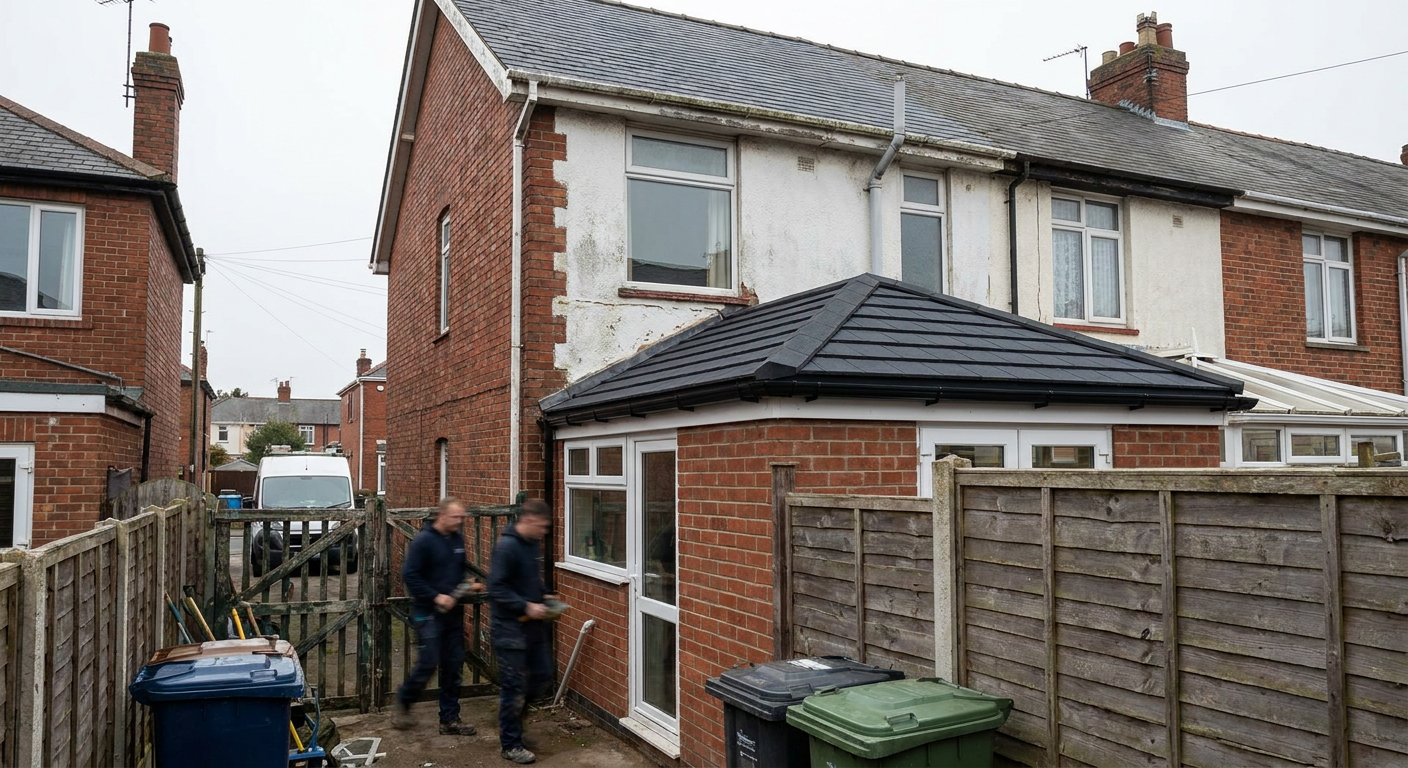
Some homeowners add insulation to an existing structure rather than replacing it entirely. That approach has limits. A specialist firm can check whether the current frame supports extra weight and depth. They will also confirm what building regulations apply before any work starts. The right choice depends on how far the current setup falls short.
Rain noise and condensation
Drumming rain is part of life under a polycarbonate or glass roof. It makes conversation hard and television louder than it needs to be. Solid tiles stop most of that sound because the mass of the material absorbs impact rather than transmitting it.
Condensation forms when warm indoor air hits a cold surface. Glass panels run colder than insulated ceilings, so water gathers there first. You might notice it on the frames or dripping onto the sill in the morning. Over time that moisture encourages mould on nearby walls and fabrics.
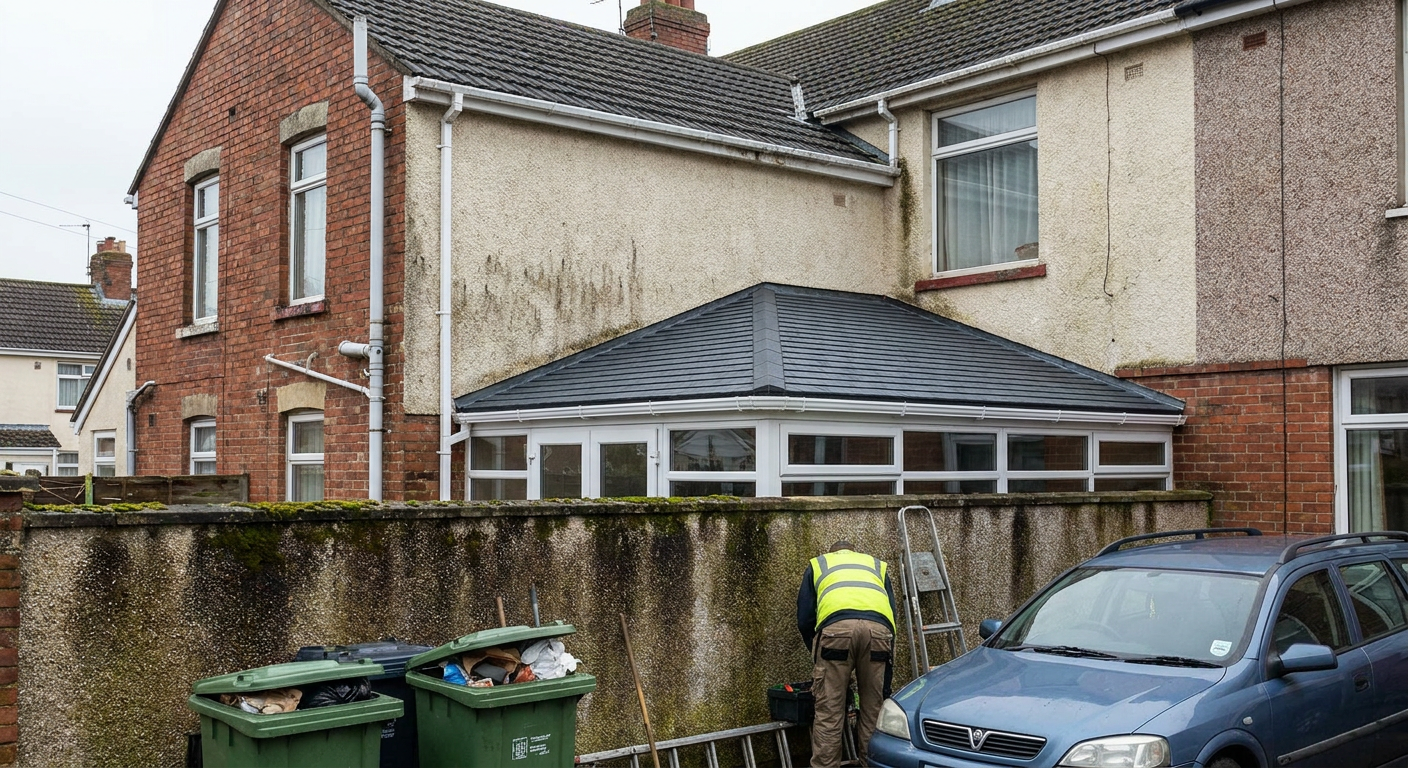
A tiled ceiling stays closer to room temperature. The risk of condensation drops because the inner surface does not get as cold. If damp patches already exist around the window frames, a specialist will look at ventilation as well as the roof itself. Changing the ceiling plastering finish can also help manage residual moisture while the new roof settles in.
Using the room as an office or living space
A conservatory used as a spare room for guests or a desk needs stable conditions. Screens glare under glass. Paper curls in humidity. Laptops overheat if the sun beats down directly.
For an office, a solid tiled roof usually works better. It cuts glare, keeps the temperature even and reduces outside noise from traffic or neighbours. You can fit standard ceiling lights and run cables above a plastered finish, just like any other room in the house.
If you still want a view of the sky, a roof lantern placed away from the desk area solves both problems. Specialist firms build these hybrid designs regularly across Coventry. They survey the existing base, check load limits and propose a layout that matches how you actually sit and work in the space. The goal is a room you use every day, not just in mild weather.
Cost differences between the two options
Price depends on size, access and the condition of the existing frame. As a rule, a fully glazed replacement costs less in materials than a tiled system that includes insulation, timber battens, tiles and internal plastering. Labour takes longer on a solid build too.
But the gap narrows if you need high-specification solar-control glass to manage heat. Those panels carry a premium. And if the existing structure needs reinforcement to take heavier double-glazed units, that adds cost back in.
A specialist firm will price both routes after checking what the current frame can support. They factor in guttering and fascia changes if the roofline shifts. Getting separate figures for each option lets you compare running costs over five years, not just the installation day. Ask them to break down materials, labour and any structural work so you see where the money goes.
Deciding before anyone visits your home
You do not need a final decision before calling, but knowing your priorities saves time. Write down the main problem: is it summer heat, winter cold, noise or lack of privacy? Rank those issues so the person quoting knows what matters most.
Measure the rough floor area of the conservatory. Note which direction it faces. Check if the walls are brick up to waist height or full glass. These details shape what a specialist recommends.
Look at neighbouring houses in areas like Coundon, Holbrooks or Wyken. See what others have chosen and how it sits with the style of the street. A warm roof conversion in Whitmore Park might suit a different plot than one in Gosford Green.
When you are ready, describe what you want the room to feel like. A good quote responds to that description rather than pushing one product. The specialist surveys the structure, confirms it can take the load and sets out the options clearly.
Signs your conservatory roof is working against you
A conservatory should feel like part of your home. When the roof fights the weather instead of managing it, the room becomes somewhere you avoid. These signs show up before any real damage starts.
- 1
Water pooling on sills
Droplets gather along the bottom edge of the glass on cold mornings. This points to a large temperature gap between the air inside and the roof surface.
- 2
Faded furniture fabric
Cushions and rugs lose colour faster near the windows. Direct sunlight passing through clear panels bleaches dyes over months.
- 3
Loud drumming in rain
Heavy showers drown out conversation. Thin polycarbonate or single glass transmits the sound straight into the room.
- 4
Room feels stuffy by noon
Air grows heavy and warm early in the day, even with doors open. Poor ventilation combined with solar gain traps heat inside.
Questions about choosing a roof
Straight answers to the things people in Coventry ask before booking a survey. For anything else, read the advice pages. More advice.
- Will a tiled roof make my conservatory too dark?
- No. A solid roof reduces direct glare but still reflects plenty of ambient light off the ceiling. Adding a roof lantern or a glazed panel keeps the room bright. Most homes in Coventry use a mix of tiles and glass to balance shade with natural light.
- Can I have roof windows or a glass panel in a tiled roof?
- Yes. Specialist installers fit opening roof vents or fixed glazed sections into a solid frame. You choose the size and position during the survey. This is common on warm roof conversions where ventilation matters as much as daylight.
- Which roof is better if I want to use the room as an office?
- A tiled roof suits a workspace better. It cuts screen glare, holds a steady temperature and blocks street noise. You can also run lighting cables above a plastered ceiling. Glass tends to overheat desks in summer unless fitted with expensive solar coatings.
- How do tiled and glass roofs compare for summer heat?
- Glass lets solar radiation pass straight through, raising temperatures quickly. Tiled roofs with insulation reflect and absorb that energy before it enters the room. On a hot July afternoon in Coventry, the difference between the two can be ten degrees or more.
- Is one noticeably cheaper than the other to fit?
- Standard double-glazed panels usually cost less to supply and fit than a full insulated tile system. But high-performance solar glass narrows that gap. A specialist firm quotes both after surveying the frame, since structural work affects the final price either way.
- Which option is better for rain noise and condensation?
- Solid tiles deaden rain impact far better than glass or polycarbonate. They also keep the inner ceiling warmer, which reduces condensation forming overnight. If damp is already present, the specialist checks ventilation before fitting the new roof.
- How do I decide before the installer comes to quote?
- Note the direction your conservatory faces, the times you use it most and the main problem you want solved. Measure the rough floor space. That information helps the specialist prepare accurate options rather than generic suggestions when they arrive.
Tell us what is happening with your roof
Send a few details about your conservatory and the problem you want to fix. A specialist firm reviews the information and replies with next steps. There is no obligation to book any work.
- No sales calls
- Free to enquire
- Local specialists