Rain and damp
Rain noise on a conservatory roof, and condensation
Find out why polycarbonate panels drum so loudly when it rains, what causes condensation to run down the inside of your home, and which roof build-ups a specialist fitter uses to stop both problems.
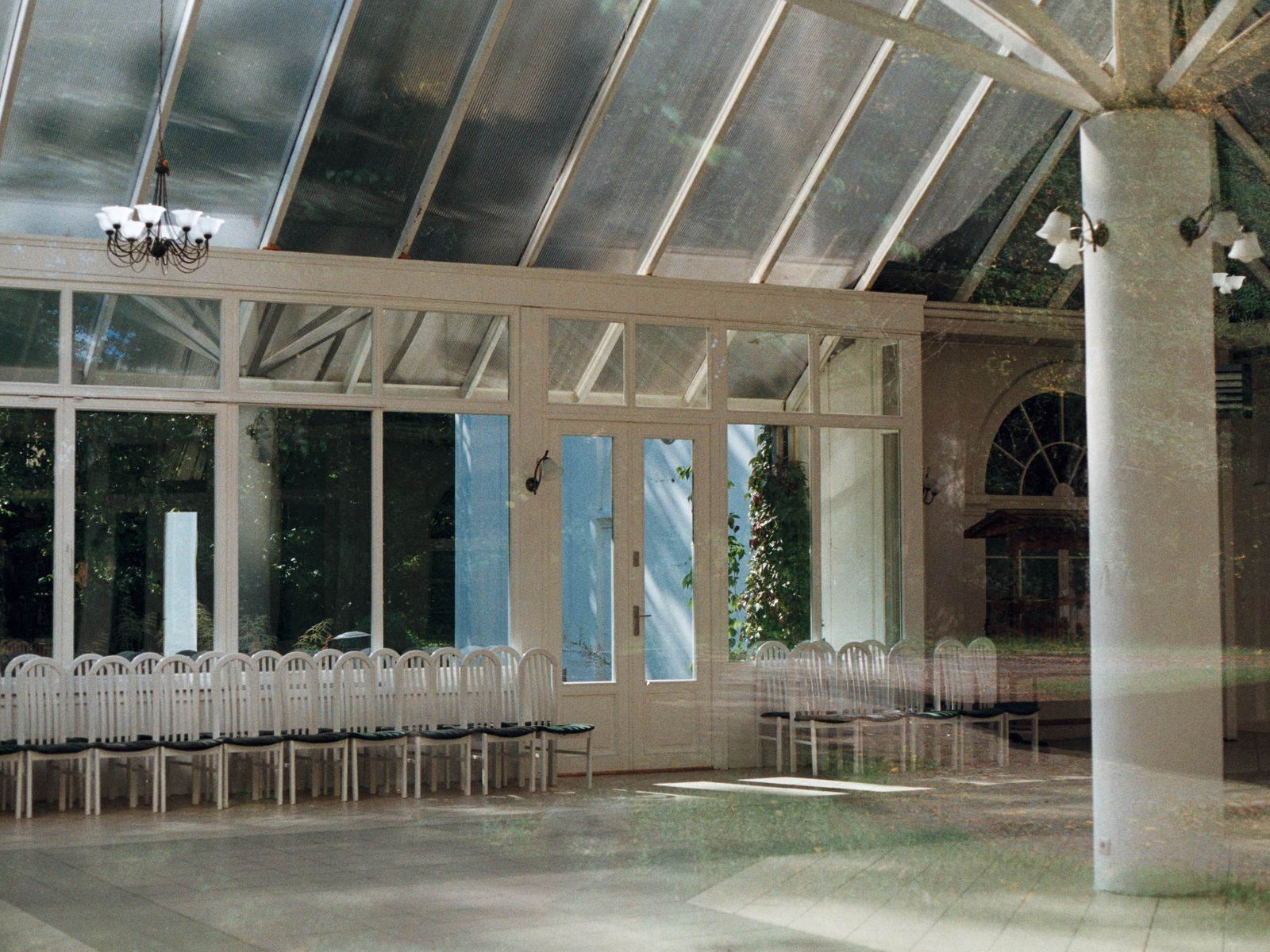
Why rain is so loud on a polycarbonate roof
Polycarbonate sheets are thin and rigid. When heavy rain hits them, the material vibrates like a drum skin. That vibration travels straight through the frame and into the room below. A noisy conservatory roof fix usually starts with understanding this basic problem.
In Coventry, where autumn and winter bring long stretches of wet weather, the sound can make the space unusable for months. The hollow chambers inside multi-wall polycarbonate do very little to absorb the impact. So every drop translates directly into noise.
Trying to reduce rain noise on polycarbonate with stick-on pads or foam strips rarely works because the whole sheet is resonating, not just the spot where the water lands. The only reliable way to quieten things down is to change the material overhead entirely.
Where the condensation comes from
Condensation in a conservatory roof happens when warm, moist air from cooking, drying clothes or breathing meets a cold surface. Polycarbonate and single glass offer almost no thermal resistance, so their inner face drops close to the outside temperature as soon as the heating goes off.
Water vapour turns to liquid the moment it touches that cold plane. You see it as droplets forming along the ridges, then running down until the conservatory roof is dripping inside. It looks alarming, but it is usually just physics at work rather than a structural failure.
People often wonder if a damp conservatory in Coventry points to a leak. If the moisture appears only when the temperature drops and dries up once the room warms, it is almost certainly condensation. A true leak leaves tide marks and tends to appear during rain regardless of the indoor temperature.
How a solid roof changes things
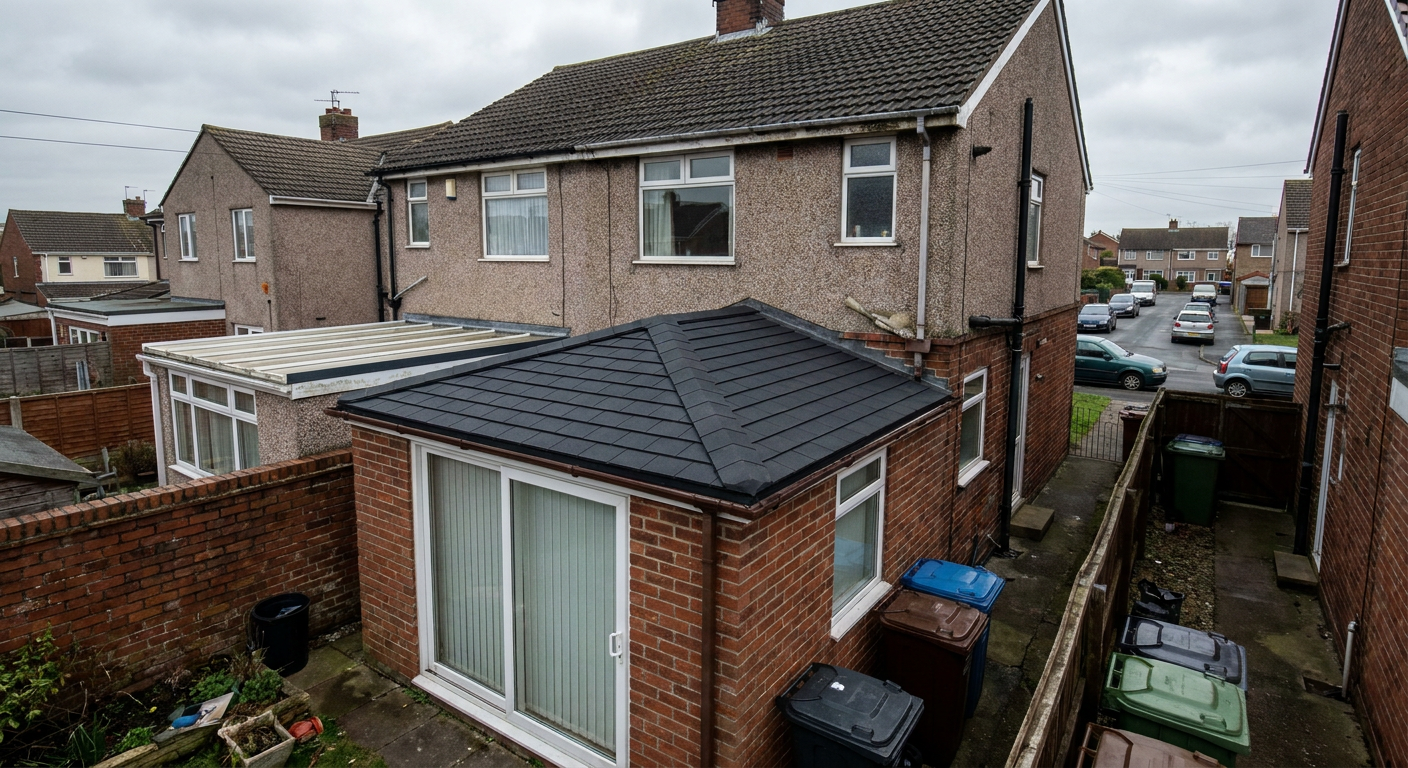
Quiet conservatory roof options centre on replacing the glazing or plastic sheets with a solid build-up. A specialist firm installing a solid tiled roof removes the old panels and fits insulated boards topped with lightweight tiles.
That layered construction deadens the sound of rain. Water hits the tile, passes through a waterproof membrane and meets dense insulation before it reaches the ceiling board underneath. There is no thin sheet left to vibrate. Homeowners who have lived through a storm under a new roof report a dramatic difference.
The same layers solve the temperature problem. Because the inner ceiling stays close to room temperature, warm air no longer meets a freezing surface. Condensation stops forming. A damp smell that lingered for years often disappears within days of the work finishing, since the moisture source has gone.
Ventilation and the final finish
Even with a solid roof, a room needs fresh air. Specialist installers can add trickle vents or a discreet extractor fan while the new structure goes on. This keeps humidity low without letting heat escape or bringing back the noise you just paid to eliminate.
Once the structure is weathertight, the underside needs finishing. Plastering gives a flat, painted ceiling that matches the rest of your home. It also adds another thin layer of mass between you and the weather outside.
If the existing frames around the walls are tired or draughty, replacing the windows and doors at the same time makes sense. New double-glazed units hold warmth in more effectively, supporting everything the new roof does. Every part of the build works together to keep the room dry, warm and quiet.
Signs your conservatory roof is struggling
Rain noise and condensation often arrive together. Both point to a roof that cannot insulate the space beneath it from the weather outside. Here is what you might notice at home.
- 1
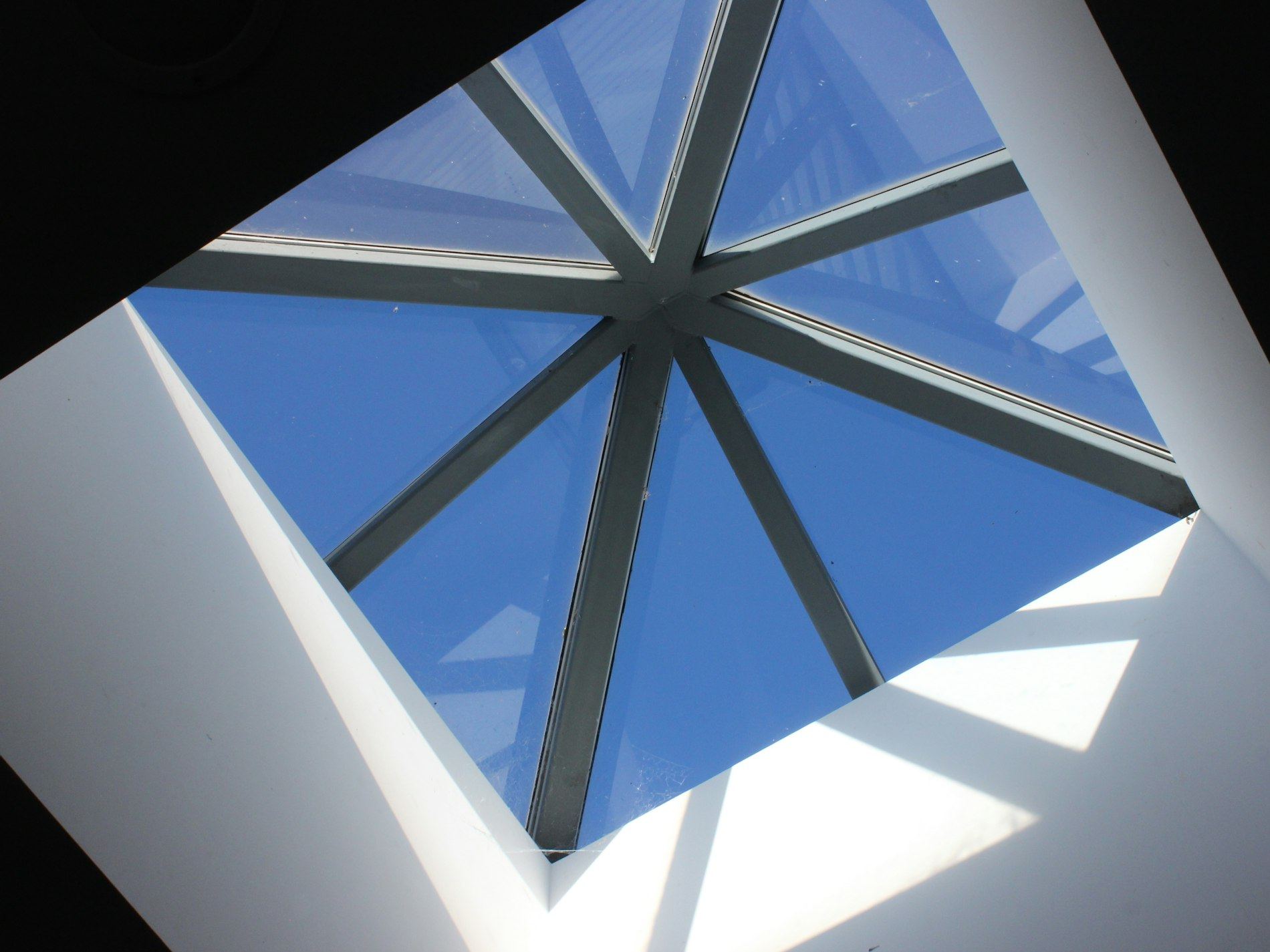
Loud drumming in the rain
A sharp rattling sound whenever showers start. Thin panels vibrate easily, sending noise straight into the room below.
- 2
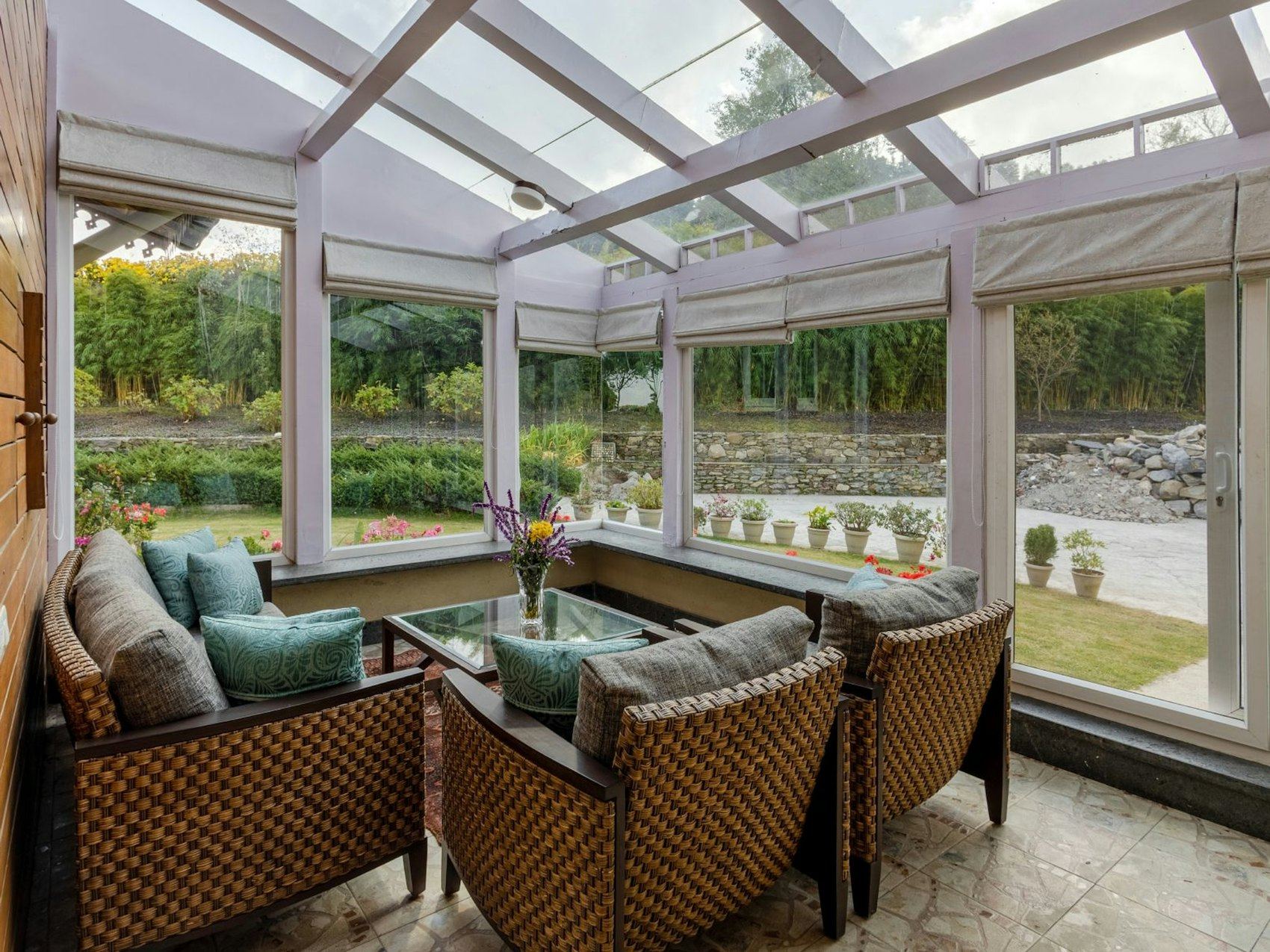
Water running down inside
Droplets gathering along the ridges and sliding down the panels. This usually means the inner surface is far colder than the air.
- 3
A persistent damp smell
A musty odour that lingers even after you open the doors. Trapped moisture encourages mould growth on frames and soft furnishings.
- 4
Fogged or misted panels
Cloudiness trapped between the layers of a polycarbonate sheet. The sealed unit has failed and lost whatever insulation it held.

Questions about rain noise and condensation
What people in Coventry ask before arranging a visit from a specialist fitter.
- Why is my polycarbonate roof so loud?
- Thin plastic sheets vibrate when rain hits them. The hollow chambers inside do not absorb the impact, so the noise passes straight through.
- Will a tiled roof stop the drumming?
- A solid build-up with tiles, membrane and insulation absorbs the energy of falling rain. Specialists report the drumming noise stops completely.
- What causes the inside condensation?
- Warm moist air touching a cold panel turns to water. Poor insulation means the inner surface stays close to the outside temperature.
- Is it a leak or just the glazing?
- If it only happens when the room cools and dries with heat, it is condensation. Leaks leave stains and occur during rain.
- Which build-up is the quietest?
- A solid tiled roof with dense insulation boards is the quietest option for both rain and hail impacts.
- Will a new roof fix the damp smell?
- Removing the cold surface stops condensation forming. Once the moisture source goes, the damp smell typically fades within days.
Ask about fixing your conservatory roof
Send your details and a specialist firm covering Coventry will review the information. There is no obligation to book any work or accept a quote.
- No obligation
- Local specialists
- Roof assessment